
Detailed Explanation of Hysteroscopic Cold Knife Surgery Procedure
Author: QuNaMai
Release time: 2026-02-13 17:58:39
View number: 947
For Sisters Planning to Get Pregnant: Full Process of Hysteroscopic Cold Knife Surgery Explained 💡
https://www.tl-wc.com/products/53/Gynecological-hysteroscopy-cold-knife.html
(No more anxiety before surgery after reading this!)
Dear sisters, if you’re dealing with intrauterine adhesions, endometrial polyps, or uterine septum and are preparing for hysteroscopic surgery, save this post!
I chose hysteroscopic cold knife surgery for my intrauterine adhesions. Today I’ll break down the entire procedure so you know exactly what to expect.
🔪 What is Hysteroscopic Cold Knife Surgery?
“Cold knife” means mechanical surgery only—using scissors, forceps, and other instruments to carefully remove or repair abnormal tissue inside the uterine cavity.
No electricity, no heat energy is used at all, protecting the endometrium to the greatest extent.
📝 Full Procedure of Cold Knife Surgery (Detailed Version)
-
Preoperative PreparationThe doctor performs a full evaluation to confirm your uterine condition. Anesthesia (general or spinal) is given, so you will be asleep and feel no pain during the procedure.
-
Insertion of the HysteroscopeThe hysteroscope is gently inserted through the vagina and cervix into the uterus. It has a light source and camera that projects a clear, real-time view of the inside of the uterus on a monitor.
-
Uterine Distention & InspectionA distension fluid is injected to expand the uterine cavity for better visibility. The doctor carefully examines the shape and lining, and precisely locates abnormalities such as adhesions, polyps, or septum.
-
Cold Knife Procedure (Core Step)This is where cold knife truly shines! Special cold instruments — including scissors, biopsy forceps, and blunt dissectors — are used:
- For adhesions: gently cut and separate scar tissue
- For polyps/fibroids: completely remove abnormal tissue
- For septum: carefully incise and reshape the uterine cavity
Everything is mechanical only — no thermal damage.
-
Wound Care & Instrument RemovalAfter surgery, the doctor checks for bleeding, flushes the cavity with saline, and slowly removes all instruments.
-
Postoperative Recovery & ObservationYou will wake up quickly and rest in a recovery area. Most patients can go home the same day.
❌ Why I Definitely Avoided Electrosurgery (Electric Resection)
Traditional electrosurgery uses heat to cut tissue. While it stops bleeding fast, the high temperature can burn and damage the endometrium — the “soil” where embryos implant.
This can greatly reduce the chance of successful pregnancy.
✅ Key Benefits of Cold Knife Surgery
- No thermal damage: Protects the endometrium; lower risk of re-adhesion
- Fertility-friendly: Ideal for women trying to conceive
- High precision: Minimally invasive, less harm to healthy tissue
- Better pathology results: Tissue samples are intact, not burned
💡 My Tips
- Always discuss your fertility plans with your doctor before surgery.
- Cold knife surgery is not available at every hospital — choose an experienced surgeon and trusted medical facility.
- Postoperative follow-up and prenatal guidance are extremely important.
Wishing every sister a smooth journey to motherhood ❤️
Feel free to ask me anything in the comments!
#HysteroscopicColdKnife #IntrauterineAdhesions #EndometrialPolyps #Gynecology #FertilityTips #WomenHealth #TryingToConceive #Hysteroscopy
Related Products
-560x560.jpg)
Urinary electroresection ring, gynecological electroresection ring electrode
$100.00
$200.00
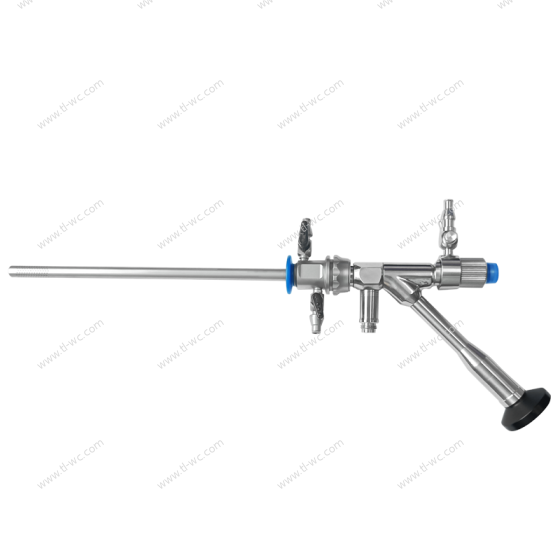
Gynecological hysteroscopy (cold knife)
$8,000.00
$12,000.00
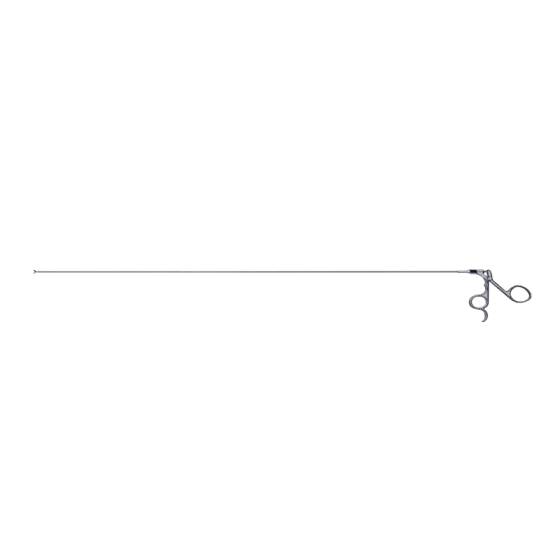
Gynecological hysteroscopic instruments
$200.00
$330.00
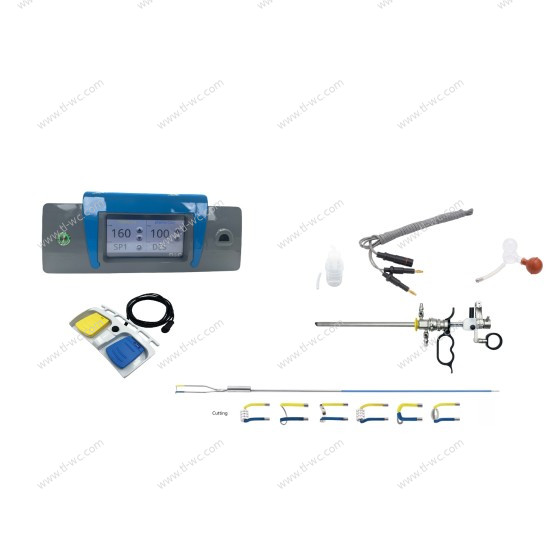
Urological Plasma Surgery System - Gynecological Hysteroscopic Plasma and other Surgery Systems -
$5,000.00
$15,000.00